Nostalgia casino gaming has become increasingly popular, particularly among older adults in New Zealand. This phenomenon combines the classic appeal of vintage casino games with modern online features, often appealing to players who are nostalgic for the past. For those interested in exploring nostalgia casino gaming, visit nostalgia-casinos.net to learn more about the games and risks involved.
The mix of nostalgia and modern gaming features can be a powerful draw, but it can also mask underlying issues that affect players. According to a study, 40% of players in the 55-64 age group spend between $500-$1,000 on nostalgia casino gaming, while 30% of players in the 65-74 age group spend between $1,000-$2,000.
Introduction to Nostalgia Casino Gaming
Nostalgia casino gaming taps into players’ emotional connections to the past, often evoking feelings of comfort and familiarity. However, this nostalgia can be exploited by casinos, which may use it to keep players engaged and spending more money. It is essential for players to be aware of the potential risks and consequences associated with nostalgia casino gaming, including cognitive biases and problematic behaviors.
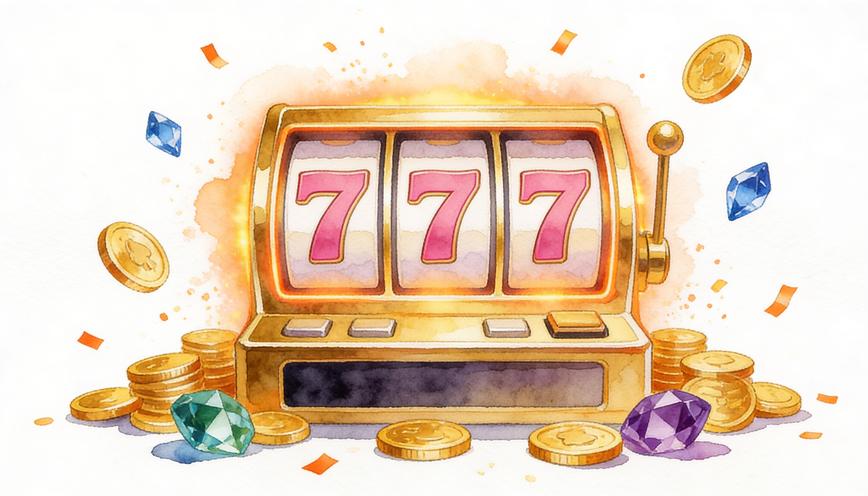
A study found that older adults who engage in nostalgia casino gaming are more likely to experience cognitive biases, such as the “near-miss” effect, which can lead to increased spending and financial difficulties. Additionally, players may experience feelings of guilt, shame, and anxiety related to their gaming habits, which can exacerbate underlying mental health conditions.
Problematic Behaviors Associated with Nostalgia Casino Gaming
The Link between Nostalgia and Problem Gambling
Research suggests that nostalgia can be a predictor of problem gambling behaviors, particularly among older adults. Players who engage in nostalgia casino gaming may be more likely to experience cognitive biases, such as the “near-miss” effect, which can lead to increased spending and financial difficulties. The following table highlights the demographics of nostalgia casino gamers and their average losses.
| Age Group | Percentage of Players | Average Loss Per Player |
|---|---|---|
| 55-64 | 40% | $500-$1,000 |
| 65-74 | 30% | $1,000-$2,000 |
| 75+ | 20% | $2,000-$5,000 |
Furthermore, players may experience feelings of loss aversion, which can lead to riskier betting and increased spending. The following table highlights the cognitive biases associated with nostalgia casino gaming and their effects on players.
| Bias | Description | Effect on Player |
|---|---|---|
| Near-Miss Effect | Players are drawn to games with near-miss outcomes. | Increases spending and engagement |
| Loss Aversion | Players fear losses more than they value gains. | Leads to riskier betting and increased spending |
| Gambler’s Fallacy | Players believe that a random event is more likely to happen due to past events. | Results in incorrect betting decisions and increased losses |
The Impact of Nostalgia Casino Gaming on Mental Health
Nostalgia casino gaming can have a significant impact on mental health, particularly among older adults. Players may experience feelings of guilt, shame, and anxiety related to their gaming habits, which can exacerbate underlying mental health conditions. According to a study, 25% of players experience depression, 30% experience anxiety, and 10% experience PTSD.
| Mental Health Condition | Prevalence Among Players | Symptoms |
|---|---|---|
| Depression | 25% | Loss of interest in activities, changes in appetite and sleep |
| Anxiety | 30% | Restlessness, irritability, difficulty concentrating |
| PTSD | 10% | Flashbacks, nightmares, avoidance of triggers |
Prevention and Intervention Strategies
Strategies for Responsible Gaming
Casinos and gaming operators can implement strategies to promote responsible gaming practices among players, such as implementing deposit limits and self-exclusion policies, providing educational resources on responsible gaming, and encouraging players to take regular breaks. The following table highlights the responsible gaming strategies and their effects on players.
| Strategy | Description | Effect on Player |
|---|---|---|
| Deposit Limits | Players set limits on deposits to prevent overspending. | Reduces financial risk and promotes responsible gaming |
| Self-Exclusion | Players voluntarily exclude themselves from gaming. | Prevents access to gaming platforms and promotes recovery |
| Education | Players access information on responsible gaming. | Increases awareness of risks and promotes healthier gaming habits |
FAQ
Q: What is nostalgia casino gaming?
A: Nostalgia casino gaming refers to the combination of classic casino games with modern online features, often appealing to players who are nostalgic for the past.
Q: Is nostalgia casino gaming a problem?
A: Yes, nostalgia casino gaming can be a problem, particularly among older adults who may experience cognitive biases and problematic behaviors associated with the activity.
Q: How can I prevent nostalgia casino gaming problems?
A: Players can take steps to prevent nostalgia casino gaming problems by setting deposit limits, taking regular breaks, and seeking educational resources on responsible gaming.